Elevate
The Professional.
Innovate
The Method.
Empower
The Future.
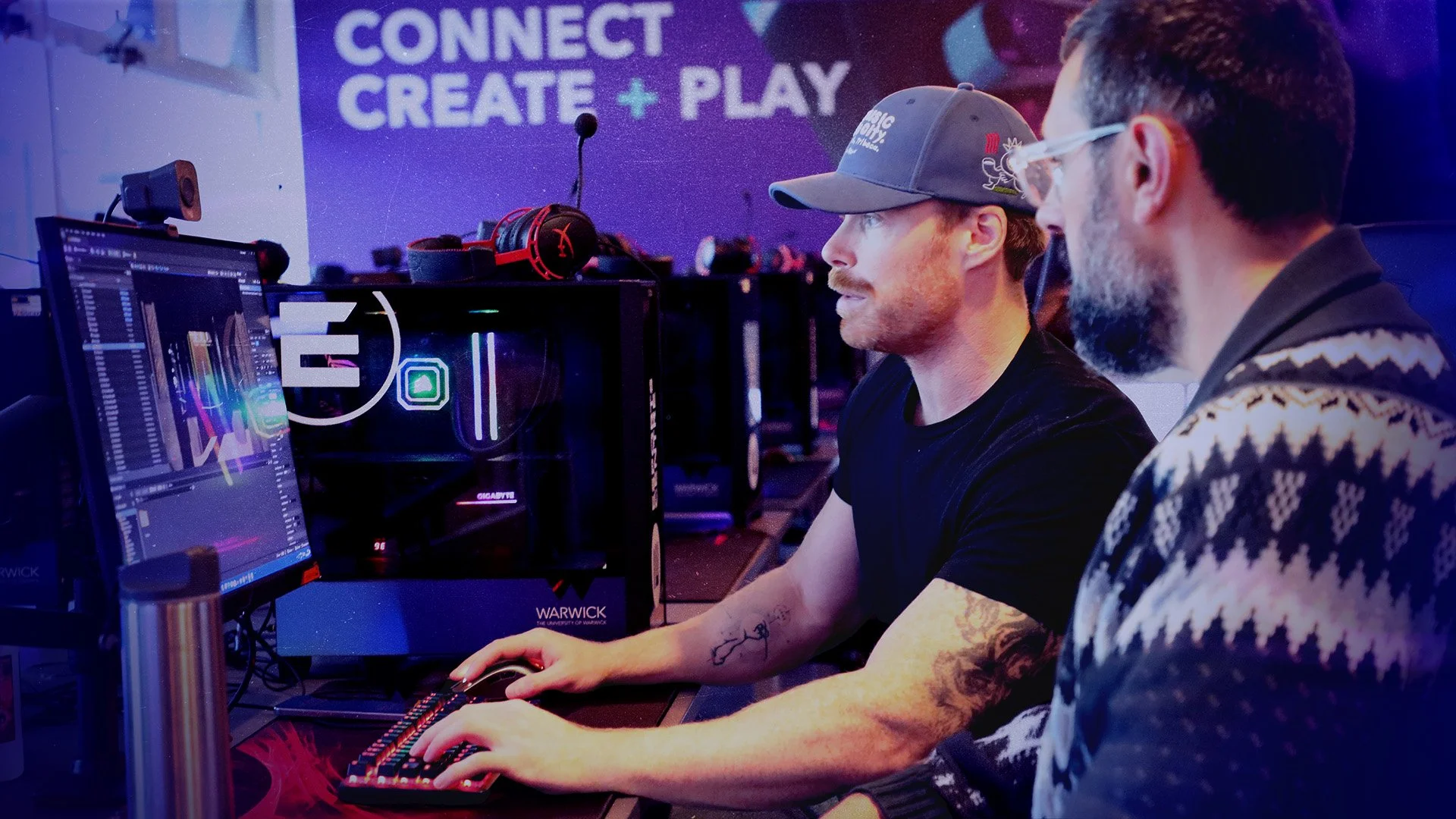
Games, 3D, film, and visual effects are built through pipelines shaped by teams, tools, feedback, and delivery constraints. This is the baseline environment artists enter now.
Projects stall when learning doesn’t show how work moves from concept to completion, especially once collaboration, deadlines, and shared standards are introduced.
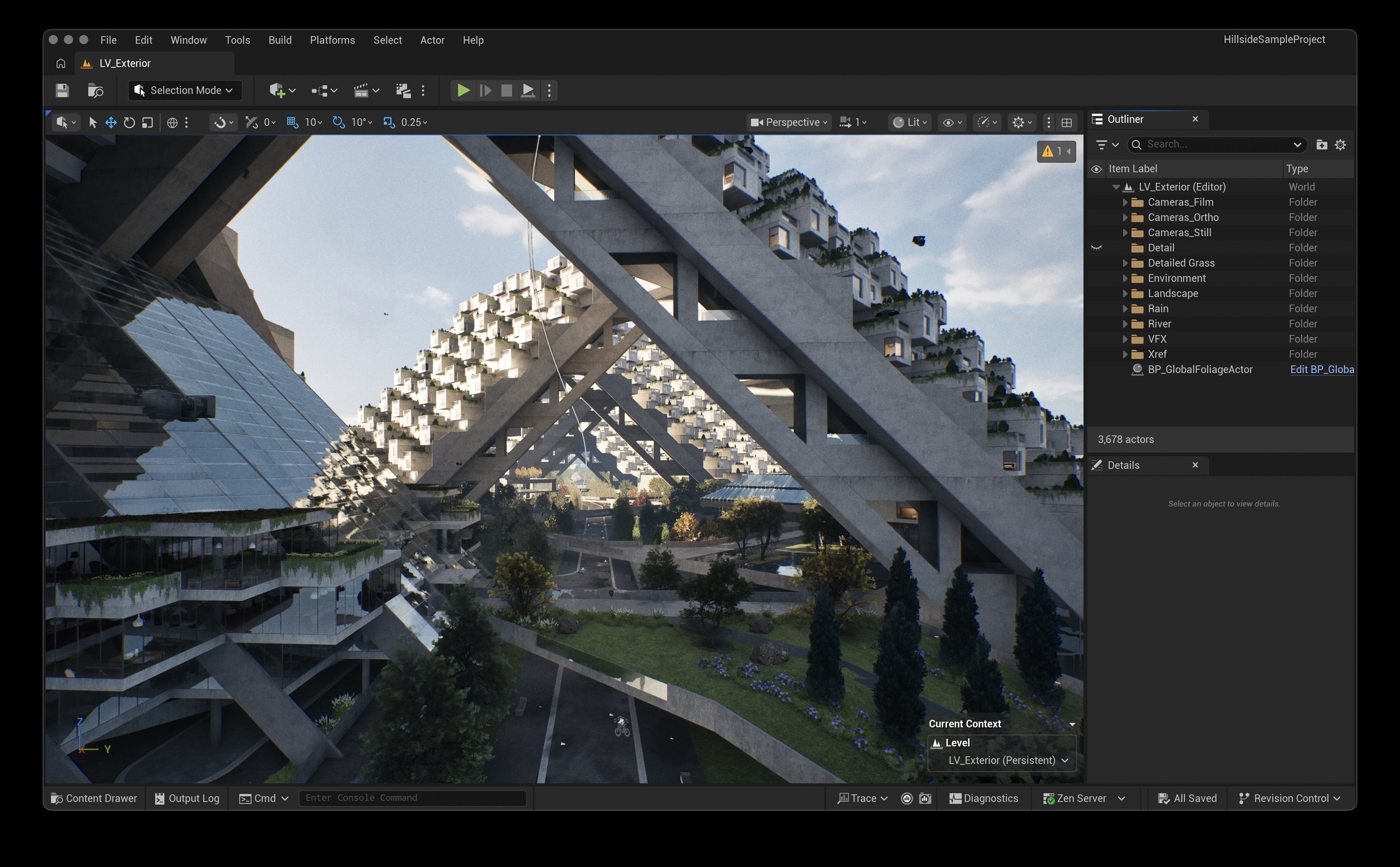
Automation and machine learning will continue to accelerate production. What remains essential is judgment, context, collaboration, and the ability to direct systems.
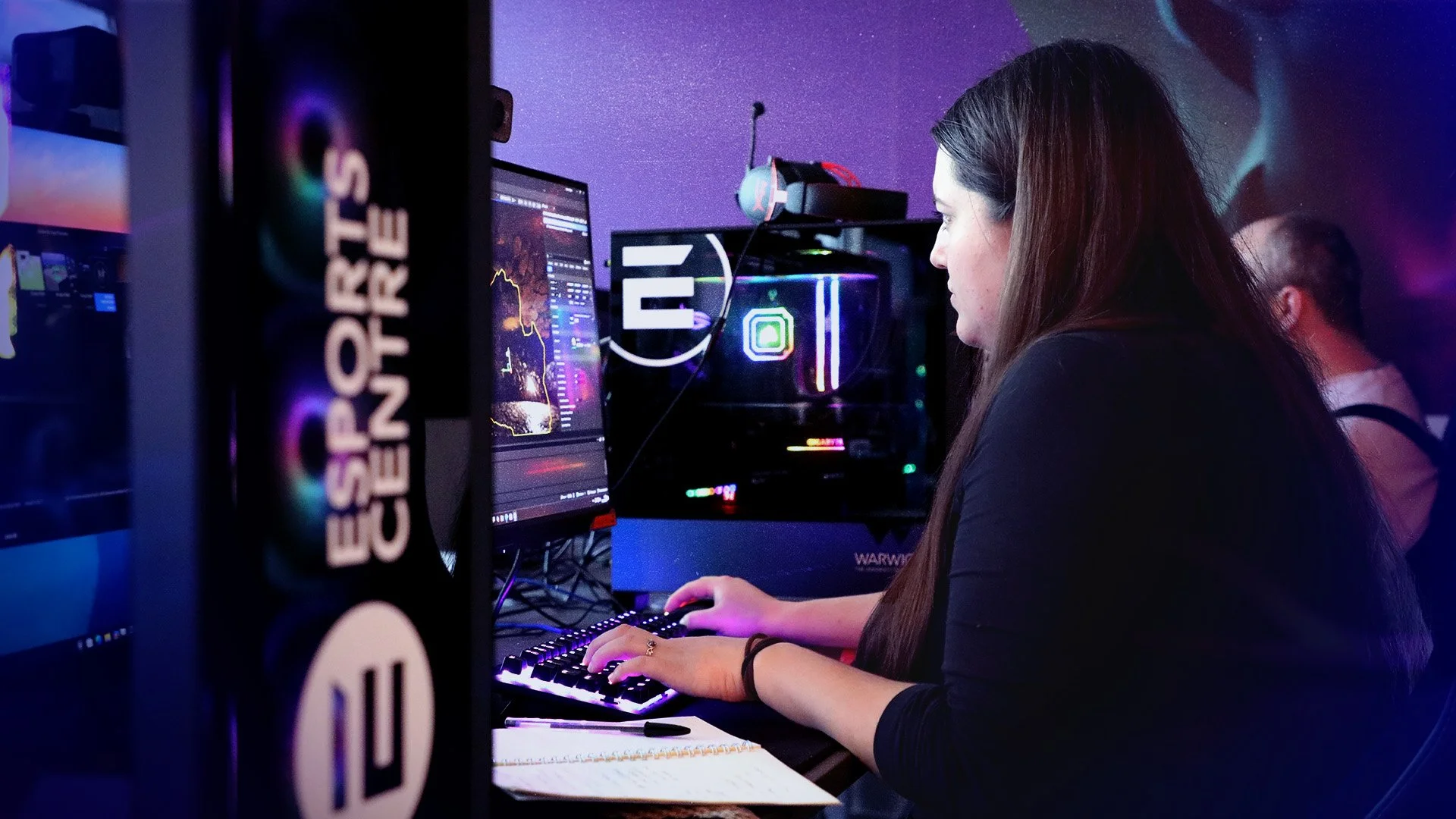
A production-calibrated learning environment is built around progression, not accumulation. Work unfolds in phases with clear expectations, direct feedback, and visible milestones.
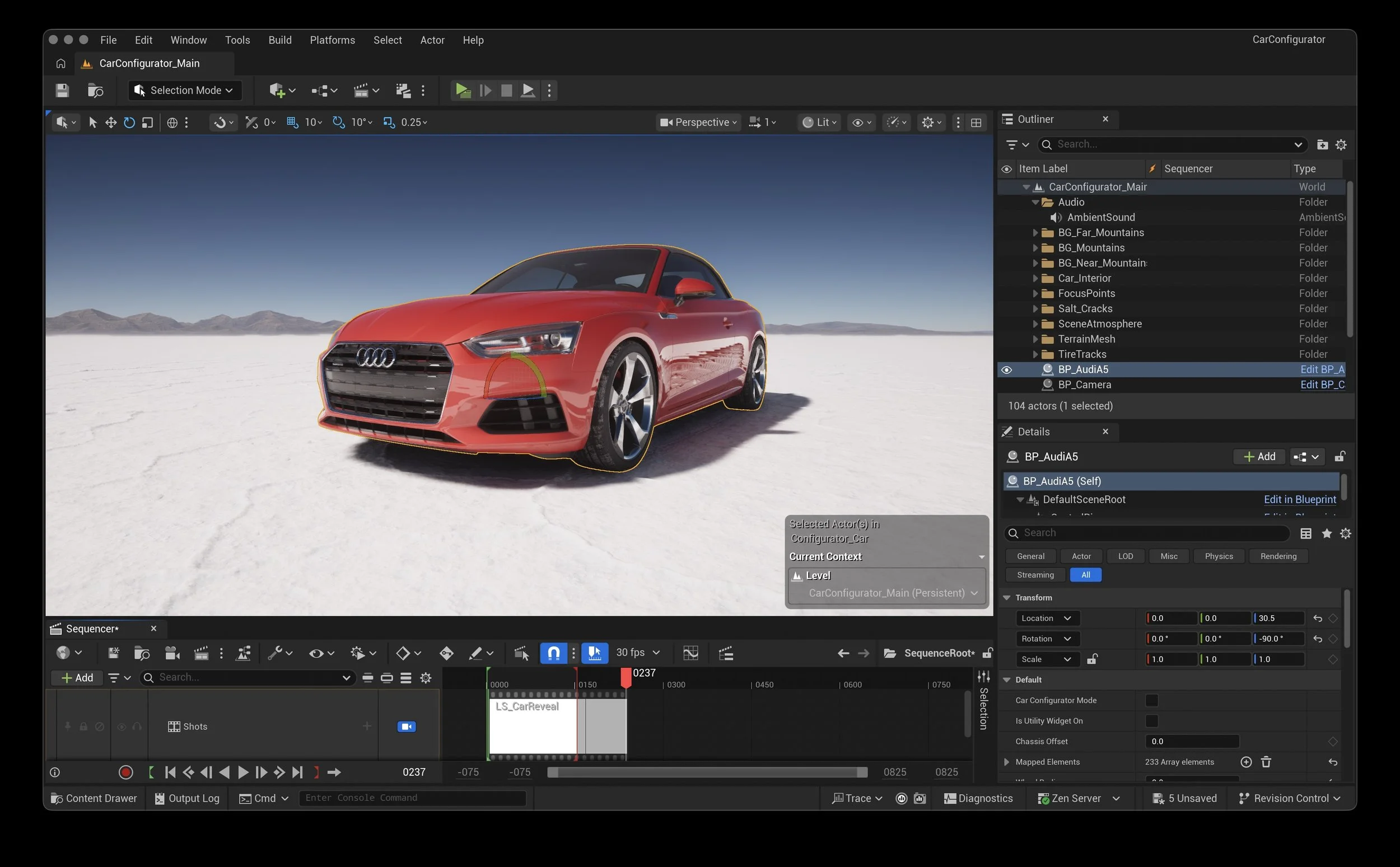
As complexity increases, projects become longer and more interconnected. Decisions carry consequences, and learners adapt as conditions change.
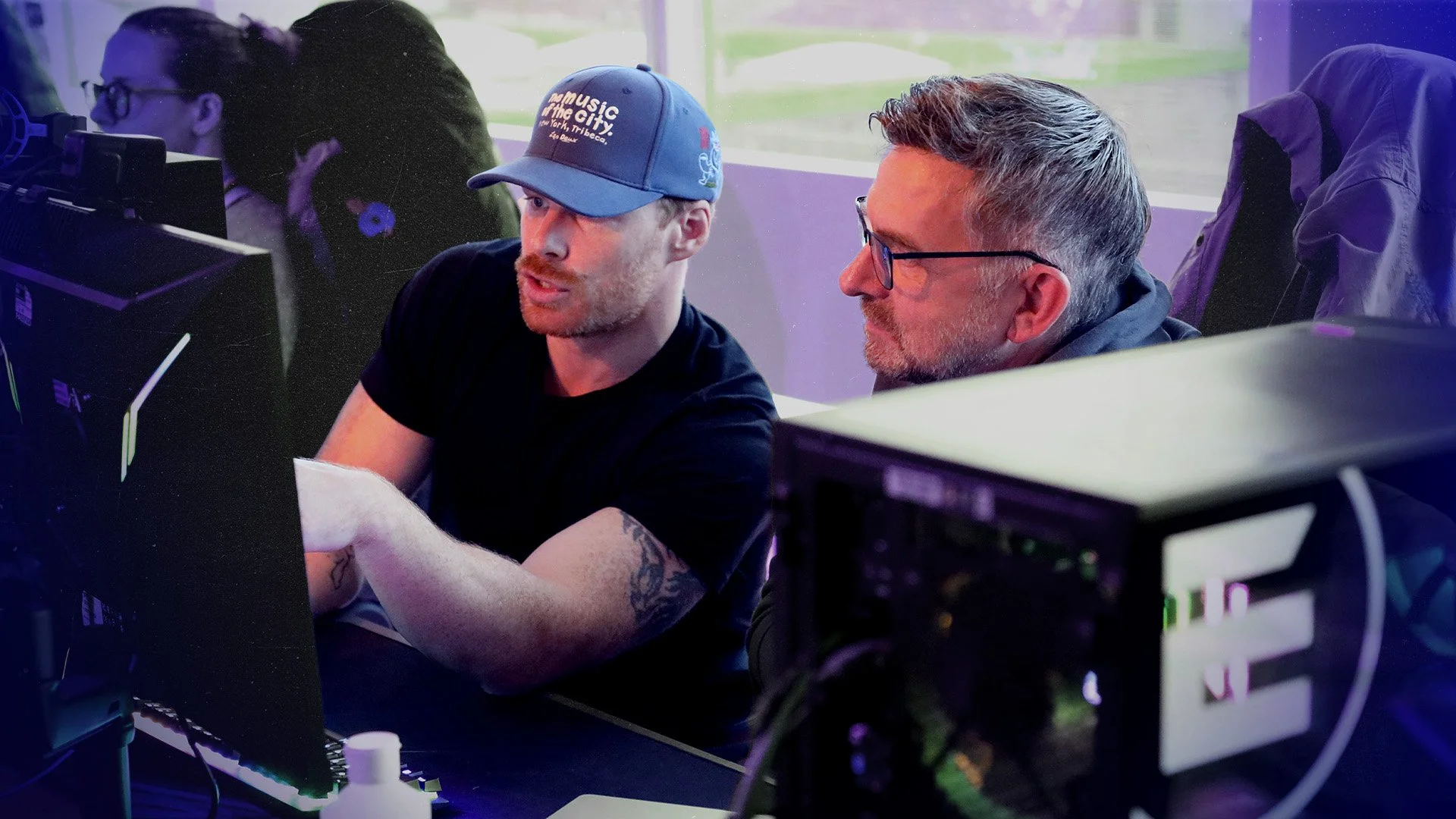
Studios, labs, and production environments designed for making, reviewing, and refining work—where expectations are visible and progress can be measured.
WHY THIS MODEL
The Distance Between Theory And Practice Should Feel Small.
The distance between theory and working practice shouldn’t feel impossible to cross. You’re shown high-level techniques and production strategies that usually take years to absorb. You work inside a functional project, learning how to engineer and reverse-engineer outcomes through clear, methodical steps. No mystique. No guesswork. Just practical, professional thinking you can immediately apply.
FUTURE SKILLS · IMMERSIVE TOOLS · INDUSTRY IMPACT




CEA Academic Partner Alumni Success.
Capability Pillars
What a two-year, production-calibrated program builds
PILLAR 01 · PROFESSIONALISM
Professional habits. Work that holds up under real expectations.
Professionalism is not a vibe — it’s repeatable behaviour under constraints. Learners develop reliability, clarity, and production discipline: how to scope work, manage time, communicate decisions, and deliver on schedule without quality collapse.
The result is steadier output, cleaner decision-making, and a reputation built on consistency — the baseline for being trusted inside teams and on real productions.
PILLAR 02 · TEAMWORK
Collaboration fluency. How work moves when it’s shared.
Teamwork is where most projects succeed or stall. Learners practice handoffs, feedback loops, versioning, shared standards, and role clarity — the realities that don’t show up in solo work.
The outcome is stronger communication, better alignment, and the ability to contribute inside a pipeline without friction — even as complexity increases.
PILLAR 03 · SKILLS
Capability depth. Tools, technique, and problem-solving under pressure.
Skills become real when they’re tested by deadlines, standards, and iteration. Learners build core technical fluency — but also the ability to diagnose issues, adapt workflows, and make decisions that protect the end result.
This produces stronger portfolios and stronger instincts: not just what to do, but why it works — and what to do when it breaks.
PILLAR 04 · IDENTITY
Creative identity. What you do, why it matters, and what you’re known for.
Identity is built through repetition, critique, and intentional choices. Learners discover what they’re strongest at, how they think, and what kind of work they want to be associated with — then reinforce it through increasingly ambitious projects.
The result is clearer authorship, stronger taste, and a portfolio that reads like a person — not a collection of disconnected assignments.
PILLAR 05 · VISION
Career vision. Finding what’s next — and building toward it.
Vision is the ability to see opportunities early and position yourself for them. Learners gain awareness of roles, pipelines, and adjacent industries — then learn how to target growth through deliberate skill building and strategic portfolio choices.
This pillar supports long-term momentum: not just getting the first opportunity, but staying employable as tools, workflows, and markets evolve.
Calgary
Choose a focus.
Advanced Diploma
Advanced 3D Animation & 3D Modelling
Advanced 3D Animation & 3D Modelling is a two-year diploma focused on building characters, environments, and worlds for film and real-time production. Students develop skills in modelling, animation, rigging, texturing, surfacing, lighting, rendering, simulation, camera language, visual storytelling, and world building, with a strong emphasis on narrative clarity and production readiness.
Training reflects modern studio workflows, with regular critique, collaboration, and pipeline discipline. Students learn to optimize assets, diagnose technical issues, respond to feedback, and make clear creative decisions that support production goals. Graduates leave capable of delivering adaptable, production-ready work for independent teams, large studios, and emerging applications that rely on immersive environments and real-time 3D.
Alberta differentiation
Advanced 3D Animation & 3D Modelling differentiates itself in Alberta by treating 3D as narrative craft rather than software training. The program emphasizes visual storytelling, acting, staging, performance, and world building alongside clean, optimized production workflows. Iterative critique and pipeline discipline help students understand not just how to build assets, but why decisions matter across animation, VFX, virtual production, real-time environments, and digital twin–driven applications.
*All standard program fees included. Additional costs may apply for optional materials or external certifications.

Advanced Diploma
Advanced Film Production
Advanced Film Production is a two-year diploma focused on creative, contemporary filmmaking. Students write, direct, and produce films and creative content while learning from industry professionals using modern tools and workflows, including Unreal Engine. Training emphasizes screenwriting, directing, cinematography, lighting, audio, pre-production, and editorial, with early immersion in editing and data acquisition, and access to a virtual production stage and motion capture.
As the program progresses, learning moves into modern production realities, including virtual production, post-production, picture and audio delivery, and colour pipelines. A dedicated capstone preparation term builds readiness across camera, sound, lighting, and department workflows, leading into a final term focused on the development, production, presentation, and critique of original work. Students graduate with a clear creative identity and practical strategies for navigating the creative, technical, and business realities of independent filmmaking in Canada.
Alberta differentiation
The Bow Valley College Centre for Entertainment Arts develops filmmakers who combine creative authorship with technical and business fluency. Emphasis on screenwriting, directing, editing, and post-production is supported by Unreal Engine workflows, virtual production, and motion capture. The program is designed for filmmakers who want to originate work, understand funding and delivery realities, and build sustainable, self-directed careers within Canada’s evolving film industry.
*All standard program fees included. Additional costs may apply for optional materials or external certifications.
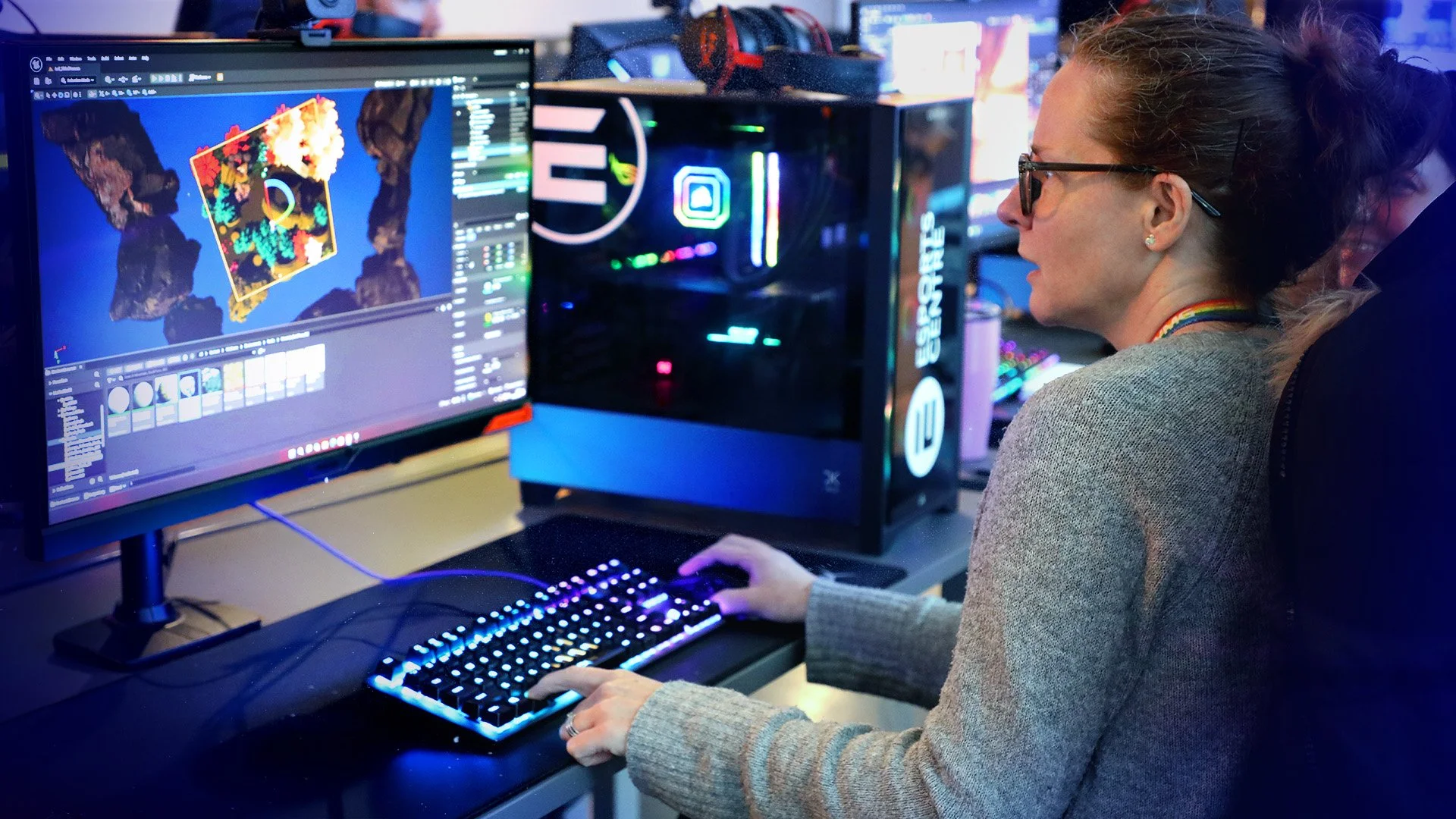
Advanced Diploma
Advanced Game Development
Advanced Game Development is a two-year diploma focused on professional game creation. Students design, build, and ship playable games while learning from industry veterans using the same tools and workflows that power modern production. Training covers game mechanics and scripting, level design and worldbuilding, visual development from 2D to 3D, and systems programming and gameplay design.
The program is built around hands-on learning rather than traditional testing. Students work in teams under real production constraints, building games across multiple genres and scales. As complexity increases, students identify areas of specialization and refine their craft through iteration, critique, and delivery. Graduates leave with a professional portfolio that reflects real production experience.
Alberta differentiation
Advanced Game Development differentiates itself in Alberta by treating game creation as a professional discipline rather than hobbyist exploration. The six-term structure provides extended instructional time for iteration and specialization, while team-based production develops systems thinking across design, programming, and art. The program prepares students for collaborative studio environments and builds problem-solving skills applicable to games, simulation, and interactive media.
*All standard program fees included. Additional costs may apply for optional materials or external certifications.
Entry
Foundations in Entertainment Arts
Foundations in Entertainment Arts is a one-year program designed for students beginning their journey into the entertainment arts. The program focuses on how creative work actually starts, learning how to observe, analyze, and translate visual ideas into structured creative output. Students develop essential skills in drawing, colour, design, composition, and digital image-making, while exploring how 2D concepts extend into 3D form and simple production workflows used in film, games, and related creative fields.
Learning is hands-on and exploratory, moving intentionally between traditional and digital practice. Students experiment with entry-level 3D modeling to understand structure and space, basic non-linear editing to explore timing and visual flow, and introductory scripting or logic-based tools to reveal how creative systems function. Through structured projects and portfolio development, students gain clarity about their interests and leave the program ready for advanced study at the college or further exploration of creative technology pathways.
Alberta differentiation
Foundations in Entertainment Arts is uniquely positioned in Alberta as a discovery-driven entry point into modern creative industries. Delivered within a campus shared with advanced programs in film, games, and 3D production, students gain daily exposure to peers further along in their training. This proximity, combined with a curriculum designed to bridge traditional art into digital and production workflows, provides context, clarity, and informed direction before specialization.
*All standard program fees included. Additional costs may apply for optional materials or external certifications.
WATCH THE EXPERIENCE
See Unreal masterclasses in action.
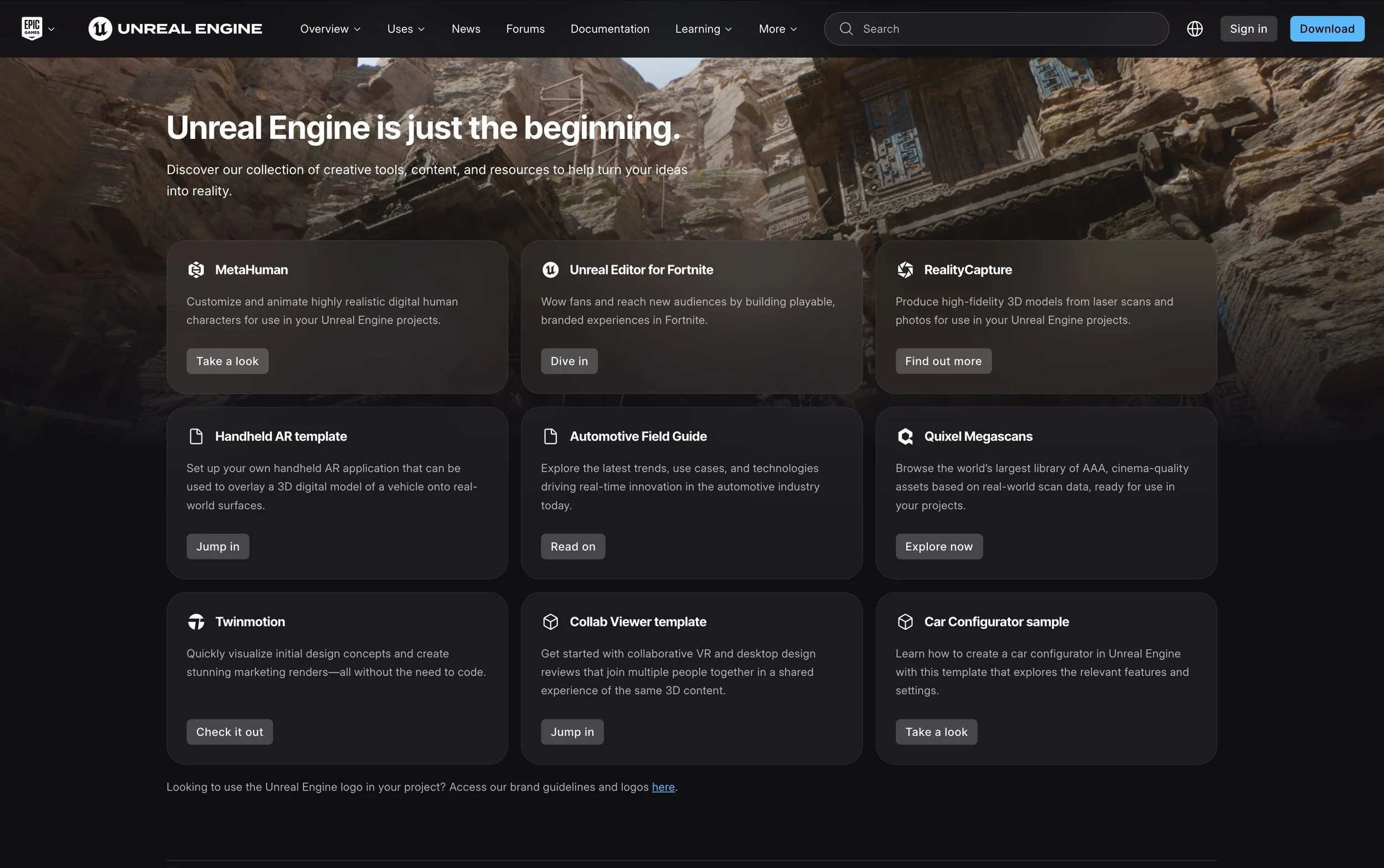
A short overview of how Warwick, CEA, and Unreal use UEFN to turn training, simulation, and future workflows into shared, immersive sessions for teams.
Calgary · Bow Valley College · Centre for Entertainment Arts
Questions people ask before choosing an environment.
This campus is built around production reality: working instructors, serious facilities, and a downtown setting where creative, tech, and cultural ecosystems overlap. These are the questions that come up most often when someone is comparing pathways — not just programs.
What makes the Calgary campus different?
Short answer
It’s an environment-first campus: industry instructors, real facilities, and a downtown location that keeps students close to culture, tech, and opportunity.
Long answer
Bow Valley College’s Centre for Entertainment Arts is designed to feel like a working production ecosystem — not a classroom simulation. Training is delivered by instructors with current industry context, inside purpose-built labs and shared campus spaces that support critique, iteration, and delivery. The downtown setting adds a second layer: proximity to creative venues, innovation infrastructure, and a growing community of builders, makers, and studios.
Things to think about
- If the goal is career readiness, the environment matters as much as the curriculum.
- The fastest growth happens when tools, feedback, and expectations stay close together.
- Downtown campuses tend to create more collisions — people, events, opportunities, and momentum.
INVEST IN YOUR REAL-TIME FUTURE
EXPLORE THE WARWICK · CEA · UNREAL PATHWAY →