

ACADEMIC INFRASTRUCTURE
ACADEMIC INFRASTRUCTURE FOR CREATIVE TECHNOLOGY
CENTRE FOR ENTERTAINMENT ARTS
Curriculum systems, delivery frameworks, faculty enablement, and industry alignment designed to help institutions launch, operate, and evolve modern creative technology programs.
A structured framework supporting program architecture, implementation, faculty success, quality assurance, and long-term academic evolution across rapidly changing creative technology disciplines.
Curriculum Systems
Program frameworks, course architecture, learning outcomes, assessments, and production-based educational design built for contemporary creative technology disciplines.
Delivery Infrastructure
Faculty onboarding, launch support, operational processes, quality assurance systems, and implementation guidance designed for sustainable program delivery.
Industry Alignment
Continuous program evolution informed by production technologies, emerging workflows, workforce demand, and changes across creative industries.
Applied Learning
Production-Based Learning Environment
Structured production turns curriculum into creative capability.
CEA learning environments translate curriculum systems into applied production activity. Students develop technical execution, creative judgment, communication discipline, and workflow fluency through project-based practice rather than isolated software instruction.
The model uses deadlines, critique, revision cycles, collaborative delivery, and increasing production complexity to simulate the conditions of contemporary creative work while reinforcing professional expectations and accountability.
Model Active
Capability develops through repeated production activity.
Project systems increase in complexity, execution pressure, and learner autonomy as students move from guided exercises into more complete creative outputs.
Feedback becomes part of the production method.
Structured review cycles build communication skill, creative judgment, accountability, and the ability to refine work through evidence, direction, and iteration.
Learning conditions mirror professional workflow.
Students work through timelines, collaboration, interdisciplinary coordination, revision expectations, and delivery standards connected to contemporary studio practice.
Studio Infrastructure
Production Delivery Infrastructure
Studio systems connect curriculum, software, workflow, and delivery.
CEA helps institutions organize the academic, technical, operational, and production systems required to deliver contemporary creative technology education.
Curriculum frameworks, learning operations, production software, studio workflows, and delivery infrastructure function as a connected ecosystem supporting applied learning and scalable program delivery.
Infrastructure Active
Partner Implementation
Implementation System
From strategy to launch.
Strategic Alignment
Market demand, institutional positioning, program direction, and long-term opportunity are aligned before design begins.
Curriculum
Learning outcomes, curriculum documentation, governance materials, and approval requirements are prepared for institutional review.
Design + Planning
Program structure, delivery models, academic responsibilities, implementation timelines, and deployment planning are defined.
Infrastructure Setup
Learning systems, software ecosystems, production environments, and operational infrastructure are configured for launch.
Faculty Enablement
Faculty onboarding, instructional methodology, mentorship systems, and delivery readiness are activated.
Launch Activation
Program rollout, learner onboarding, recruitment coordination, instructional activation, and support systems go live.
Quality + Evolution
Performance monitoring, quality assurance, industry feedback, and curriculum refinement support continuous improvement.
Capability Transfer
Institutional maturity, faculty continuity, governance stability, and long-term delivery capacity become the measure of success.
Core Program Domains
Creative Technology Program Architecture
Three domains power the modern creative technology economy.
CEA program systems are organized around three interconnected domains that increasingly influence entertainment, simulation, infrastructure, manufacturing, training, immersive experiences, and digital production.
Together, these domains provide institutions with multiple pathways into creative technology education while maintaining shared production methodologies, technical foundations, and industry relevance.
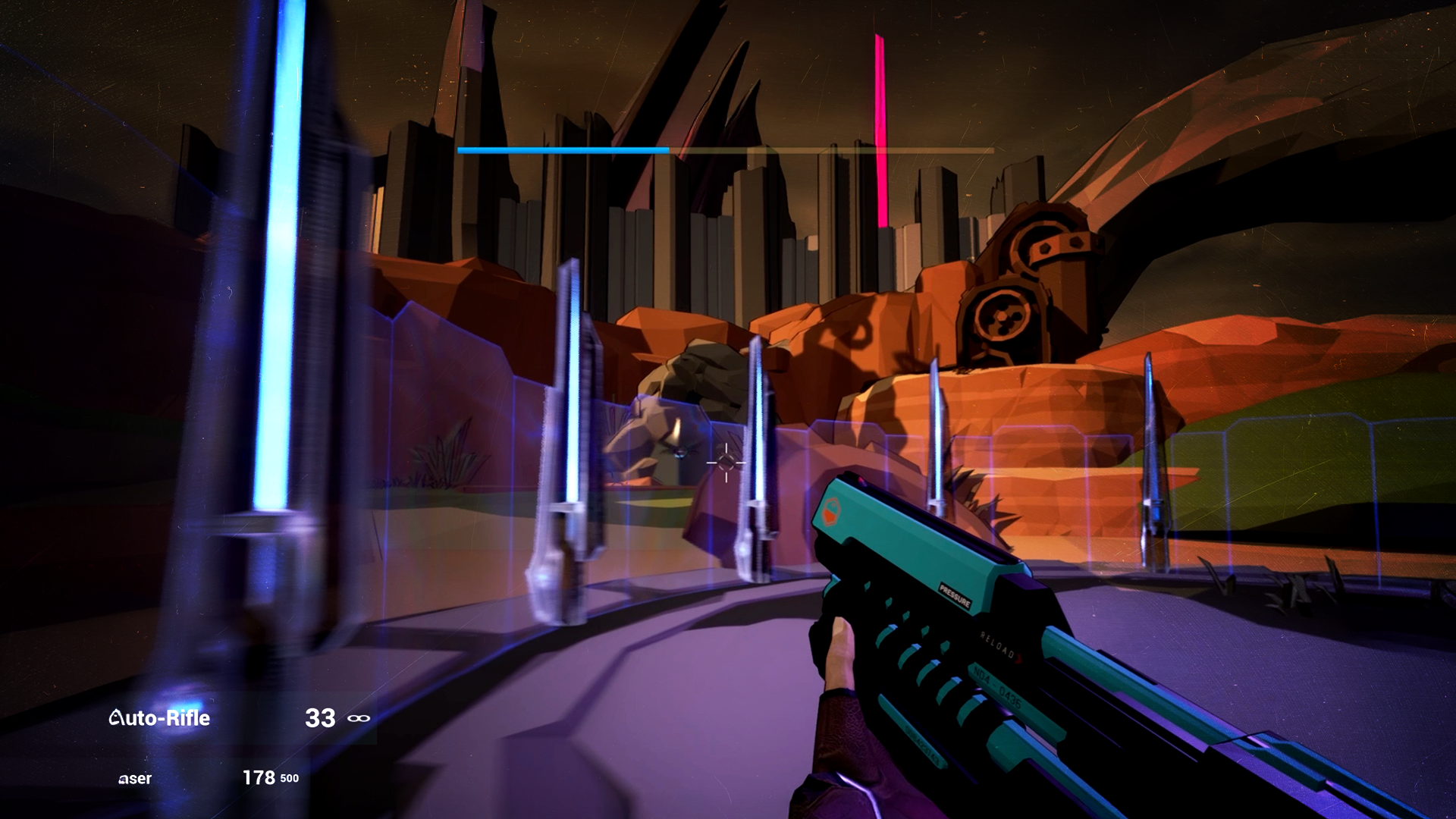
Game Technology & Development
Real-time interactive systems have evolved beyond entertainment into training, simulation, visualization, defense, mobility, and emerging spatial computing environments.
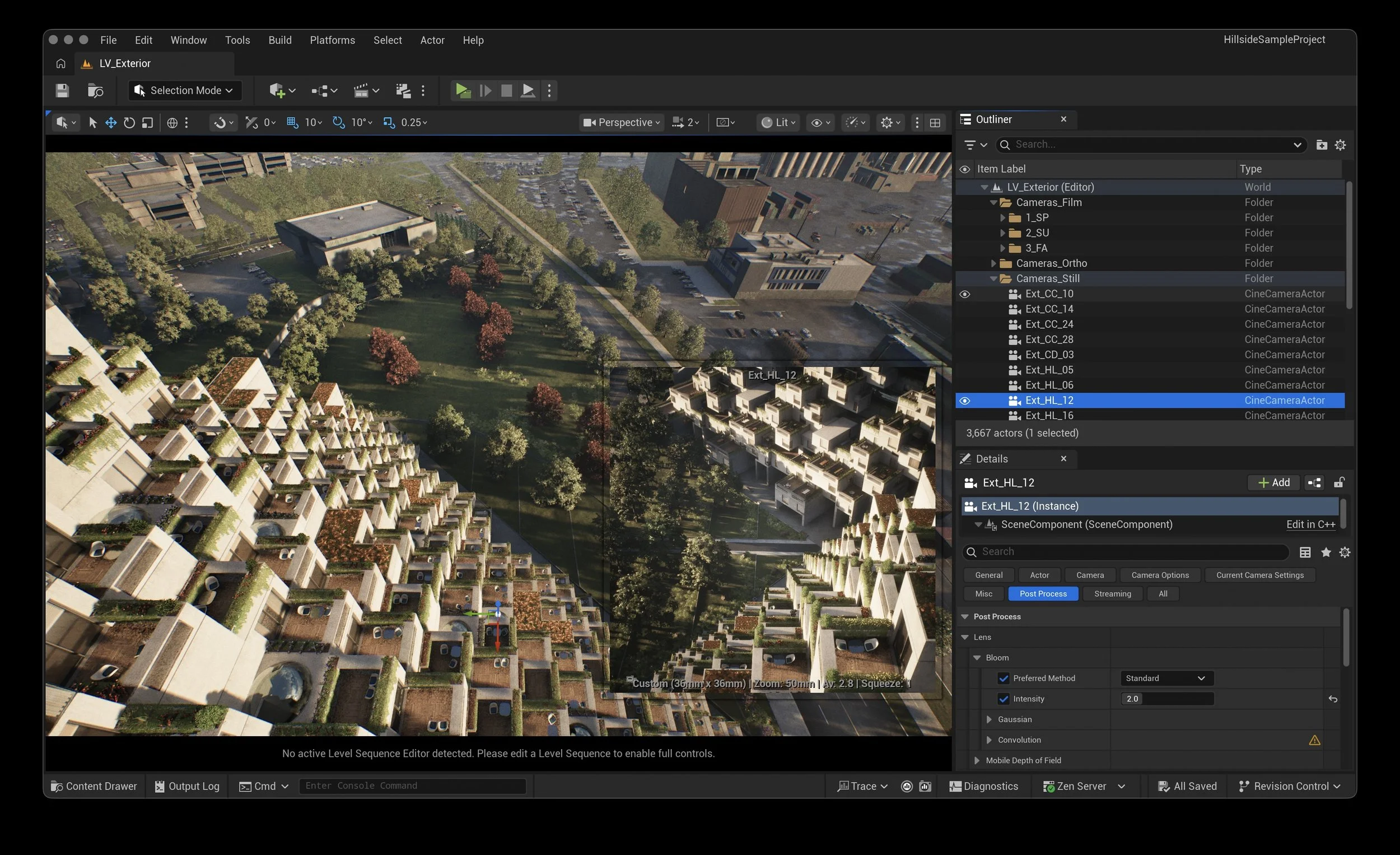
Simulation & Immersive Systems
Simulation technologies increasingly support infrastructure planning, manufacturing, healthcare, mobility, smart environments, and immersive decision-making through spatially aware digital systems.

Film, Animation & Digital Production
Contemporary production combines creative direction, automation, virtual production, real-time technologies, AI-assisted workflows, esports broadcast operations, and scalable digital content pipelines.
Graduate Outcomes
Industry Connection
Alumni contribute to film, television, animation, games, and visual effects production.
Industry Proof
Production Outcomes
Industry connection made visible.
Graduates contribute across film, visual effects, animation, games, and creative technology environments connected to contemporary production pipelines.





Partnership Ecosystem
Partner Network
Built with institutions, platforms, and industry collaborators.
CEA supports program development across academic pathways, stackable credentials, workforce training, youth programming, continuing education, industry workshops, and customized creative technology initiatives.


Partnerships
Waiting for section
Queued
Queued
Queued
Queued
Build applied creative technology programs across film, animation, visual effects, games, immersive media, simulation, esports, and digital production.